
Partners, collaborators and the games community
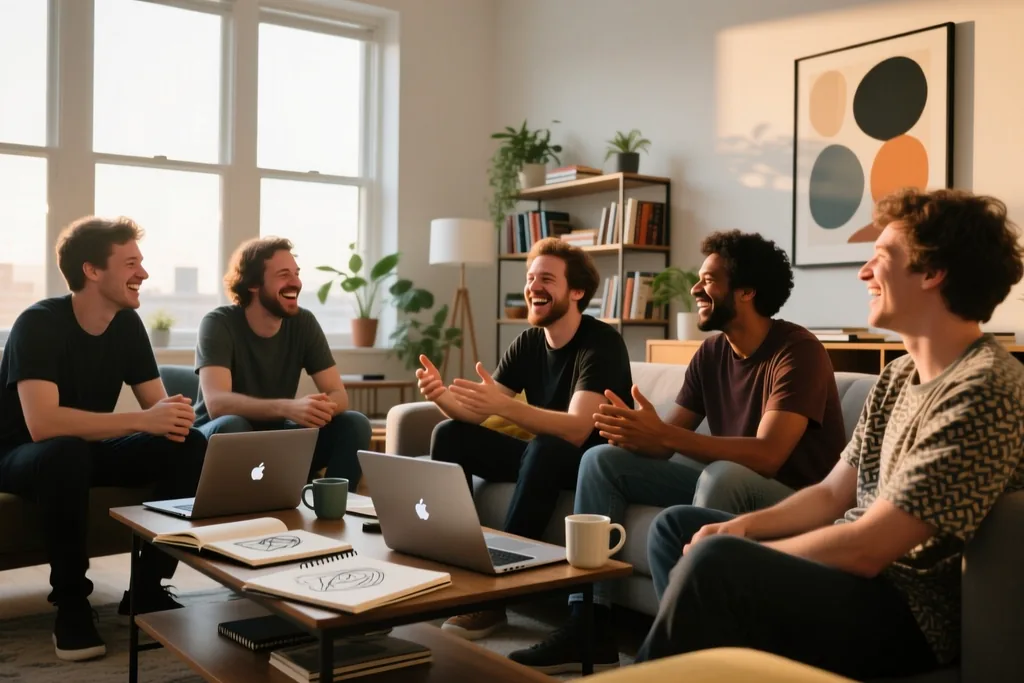
No studio works alone, and a small one works with more people than it might seem. We depend on partners, collaborators and the wider games community, and we try to give back more than we take. This article describes the studios, tools and groups we work alongside, and how we think about the relationships that keep a small team connected.
Working with studios of every size
We are happy to work with a two-person indie team, a mid-sized studio and a publisher with a portfolio, and we do not treat them as the same kind of client. A prototype needs a different conversation from a live game with a back catalogue, and the honesty we bring has to be matched to the stage the game is actually at.
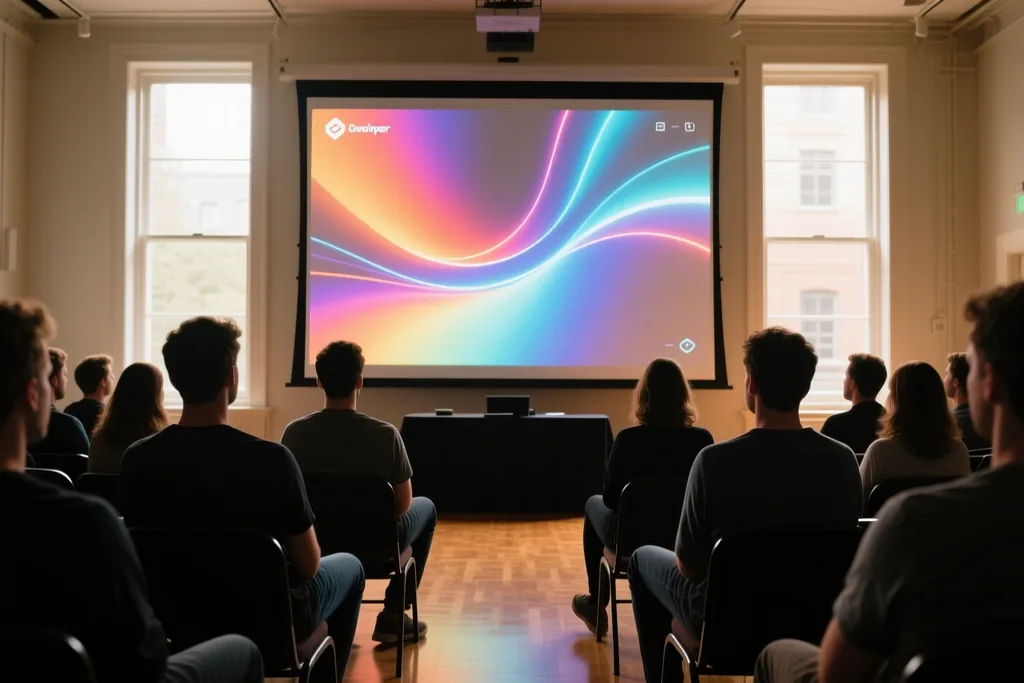
What we look for in a partner is not size but willingness. A studio that is ready to look at its own game honestly will get far more from our work than one that wants a report to justify a decision it has already made. That willingness is the real precondition for anything we do.
Tools and platforms as partners
Our everyday work rests on tools and platforms made by other people, and those relationships shape what we can build for a game. Engines, analytics services, store platforms and the wider engines of distribution are the background of every project, and we treat them as partners rather than as neutral utilities.
We also try to keep our dependence on any single tool modest. A studio that can move between platforms loses less when something changes, and it can advise a client on the trade-offs honestly rather than from the comfort of a single habit.
The communities we take part in
The games industry is at its best when people share what they learn, and we try to be part of that rather than only taking from it. Our writing, including this site, is one small way of giving back: methods and lessons offered freely to anyone who finds them useful, without a paywall or a pitch.
- Share methods openly and without a sales hook.
- Answer honest questions from other developers.
- Credit the people and tools we borrow from.
- Stay in touch with the studios we have worked with.
- Give back at least as much as we take.
None of this is philanthropy; it is a reasonable way to be part of a field that has given us a great deal. A community that shares its lessons grows faster than one in which everyone guards their methods, and we would rather the field grew.
Where the relationships sit
The table below describes the kinds of relationships a small studio like ours depends on, and what each one contributes. They are not contracts so much as habits of working well with others.
| Relationship | What they bring | What we bring |
|---|---|---|
| Client studios | Games we can help improve | Honest, evidence-based advice |
| Tool makers | Platforms we build on | Feedback from real use |
| Fellow developers | Shared lessons and questions | Methods offered in the open |
| Players | The reason for all of it | Games worth their time |
Collaboration over competition
The games industry can feel like a contest, and a small studio has every reason to guard what it knows. In practice we have found the opposite works better: the developers we share with tend to share in return, and the studio that is generous with its methods is the one people want to work with. Trust compounds the same way a good habit does.
We are not naïve about this. We keep client confidences and we do not publish anything we should not. But within that boundary, we would rather be the studio that explains its thinking than the one that hides it, because the field is better when more of it is legible and because it is simply a better way to work.
Working across borders
Most of our work happens across distances, with studios in other cities and countries, and the relationships hold because we communicate in writing and keep our promises. Working remotely with partners is not so different from working remotely as a team: it rewards clarity, candour and the habit of writing things down where everyone can find them.
We are also careful about how we represent the people we work with. A partner's game is theirs, and the credit for it belongs to them; our role is to help, not to claim a share of the story. That restraint is part of why partners return, because a studio that respects the line between help and ownership is easier to trust with the next project.
Part of something larger
A game studio is a small thing inside a large and generous craft, and most of what we know we learned from people who were willing to share it. Working with partners, contributing to communities and giving our methods away are our attempts to stay part of that exchange rather than to profit quietly from it. It is, in the end, the same belief our studio is built on: good work gets better when it is done in the open.
Read next
About Dytbaat: a studio and consultancy
Three industry veterans, one studio, and a focus on making good games great.
Our approach: data, play and iteration
Why we measure before we change anything and how iteration shapes our work.
The tools behind our games and analysis
The everyday software and methods our designers, engineers and analysts rely on.